2D Vehicles
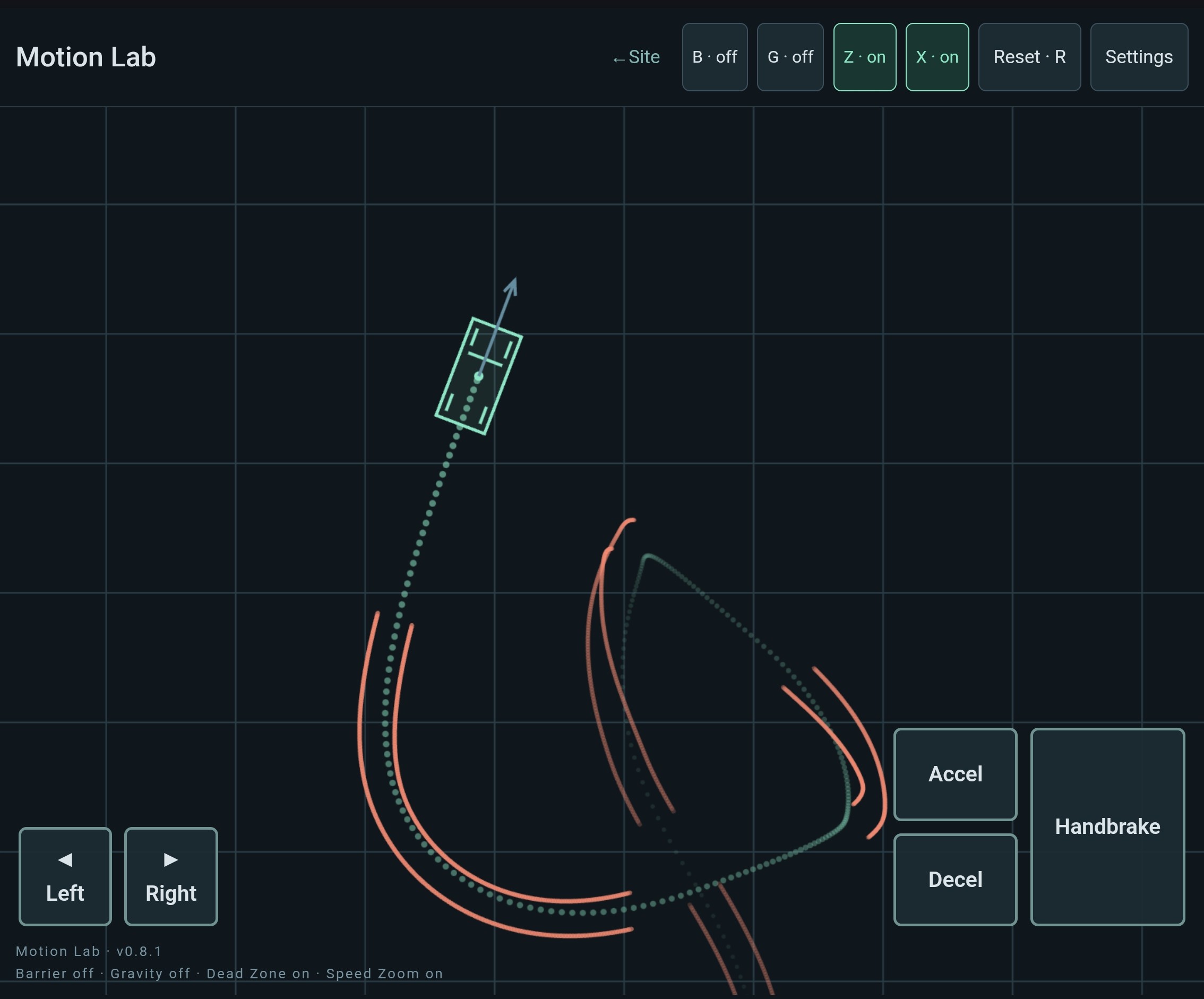
In a 2D world, vehicles are often reduced to simple sprites and physics, but that simplicity can mask a surprisingly rich set of challenges. When you start building a car that drives across a tiled map, you quickly discover that you need to handle acceleration, friction, and collision detection in a way that feels responsive without becoming computationally heavy. A common trick is to separate the visual representation from the movement logic: the sprite follows a physics body that updates its position based on forces you apply each frame, letting the engine take care of the gritty details while you focus on gameplay feel.
One of the first decisions you’ll make is whether to use a tile‑based collision system or a more flexible shape‑based approach. Tile maps are fast and easy to set up—just flag which tiles are solid and test the vehicle’s bounding box against them. However, for smoother turning and more realistic handling, you might want to use circles or capsules for the car’s collider, then perform ray‑cast checks against the environment. This hybrid method lets you keep the performance of a grid while giving the vehicle a more natural sense of inertia and drift.
Animating the vehicle adds another layer of polish. Instead of swapping whole sprites for each direction, consider using a sprite sheet with separate layers for chassis, wheels, and exhaust. By rotating the wheel layer independently of the chassis, you can convey speed and acceleration even on a static background. Small details like a puff of smoke that scales with throttle or a subtle bounce when landing from a jump can make the vehicle feel alive without requiring a full 3D model.
Finally, think about how the vehicle interacts with the rest of your game logic. Does it collect power‑ups, trigger events, or affect enemy AI? Hooking into an event system lets you keep the vehicle code decoupled from the rest of the world, so you can reuse the same driving mechanics for a bike, a hovercraft, or even a futuristic sled with just a few parameter tweaks. By structuring your 2D vehicle as a modular component, you’ll find it much easier to iterate on feel, add new features, and keep the codebase clean as the project grows.
Source: 2D Vehicles