Old Bitly Links Are Being Hijacked
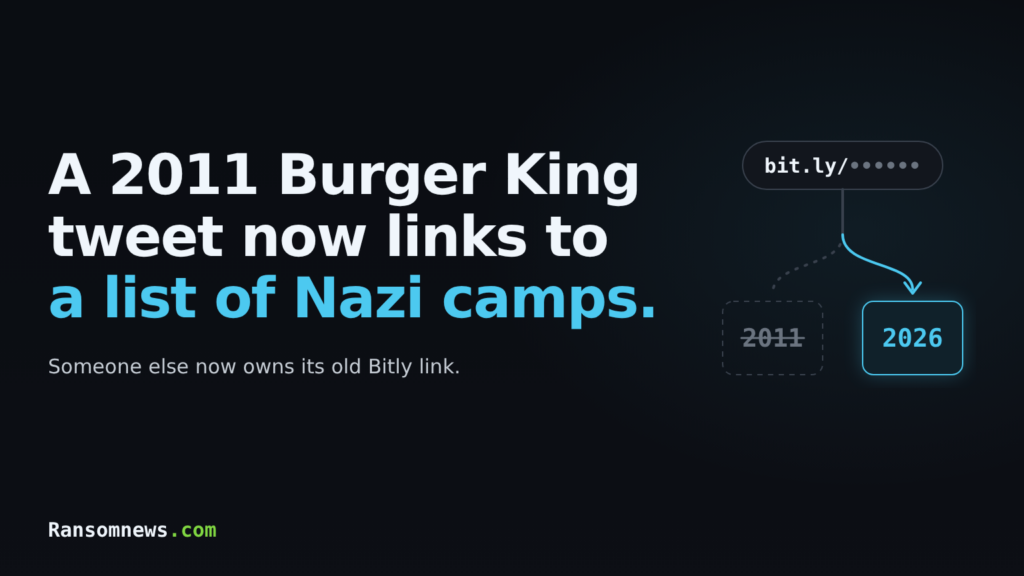
Old Bitly links have become a surprisingly common vector for malicious redirects, and the problem is growing faster than many developers realize. When a shortened URL is created, the service stores a simple mapping from the short code to the target address. If that mapping is later altered—whether by an account compromise, a bug in the service, or an insider threat—the original link can suddenly point to phishing sites, ransomware loaders, or ad‑spam farms. Because the short URL hides the destination, users and even automated tools often miss the change until they land on the harmful page.
The root cause often lies in how Bitly and similar services handle link ownership and editing permissions. Many accounts are protected only by a single password, and reuse of credentials across services makes them vulnerable to credential stuffing attacks. Once an attacker gains access, they can edit any link the compromised account created, swapping out a benign destination for a malicious one. In some cases, the service’s API allows link updates without additional verification, turning a stolen API token into a powerful weapon for mass hijacking.
For developers who embed Bitly links in documentation, newsletters, or UI elements, the risk is especially acute. A single compromised link can damage a brand’s reputation, expose users to malware, and generate a flood of support tickets. Automated tests that verify link health may miss the problem if they only check that the short URL resolves, not where it leads. It’s therefore prudent to treat shortened URLs as mutable data: store the original target alongside the short code, monitor for unexpected changes, and consider using a read‑only mode or expiration policy where possible.
Mitigation starts with both user hygiene and service‑level safeguards. Enforce strong, unique passwords and enable two‑factor authentication on any account that can create or edit short links. Regularly audit your own Bitly usage—pull a list of all active short URLs, resolve them, and compare the results against a trusted baseline. Where possible, replace third‑party shorteners with self‑hosted solutions that give you full control over edit permissions and logging. By staying vigilant, developers can keep the convenience of link shortening without handing attackers an easy shortcut to their users.