Residential proxies detected on White House network
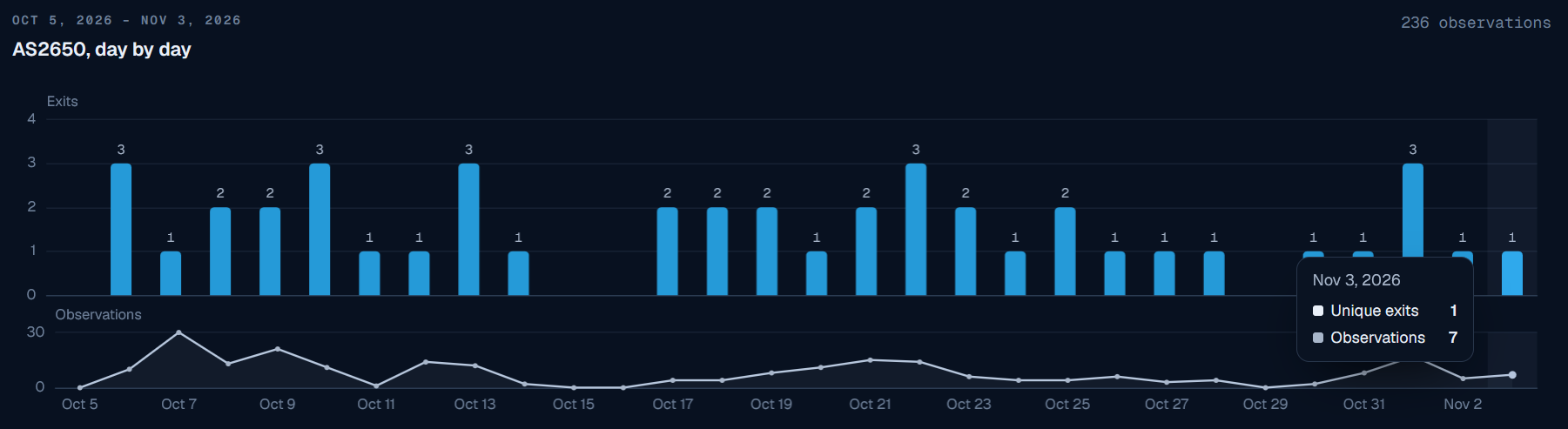
The White House’s internal network has begun flagging traffic that originates from residential proxy services, a move that signals a growing awareness of how such IPs can be used to mask malicious activity. For developers working on security tooling, this is a reminder that relying on simple IP‑allow lists is no longer sufficient—proxy detection must be baked into the monitoring stack, with heuristics that consider latency patterns, ASN diversity, and the typical churn rate of residential pools.
From a code perspective, the detection mechanisms likely involve a combination of DNS‑based reputation checks and real‑time analysis of TLS fingerprints. Open‑source libraries such as proxycheck or ip2proxy can be integrated into existing logging pipelines, but they need to be updated frequently to keep pace with the ever‑changing proxy landscape. Automating the ingestion of threat‑intel feeds and correlating them with internal logs can reduce false positives while still catching sophisticated evasion attempts.
If you’re building a proxy‑aware application firewall, consider adding a “probation” state for newly seen residential IPs: allow limited access, log detailed request metadata, and gradually tighten restrictions based on behavior. This approach lets legitimate users on shared broadband connections continue working, while flagging the noisy, high‑volume traffic that residential proxies often generate. Implementing rate‑limiting and CAPTCHA challenges only after the probation period can keep the user experience smooth for real users.
Finally, the White House’s move underscores the importance of transparent reporting and audit trails. When a residential proxy is detected, the system should emit a structured event that includes the IP, the associated ASN, confidence scores, and any downstream actions taken. Storing these events in a queryable format (e.g., Elasticsearch or ClickHouse) enables security teams to run ad‑hoc investigations and helps developers fine‑tune detection thresholds without breaking existing workflows.