Why get an expensive Pi when I have an old phone?
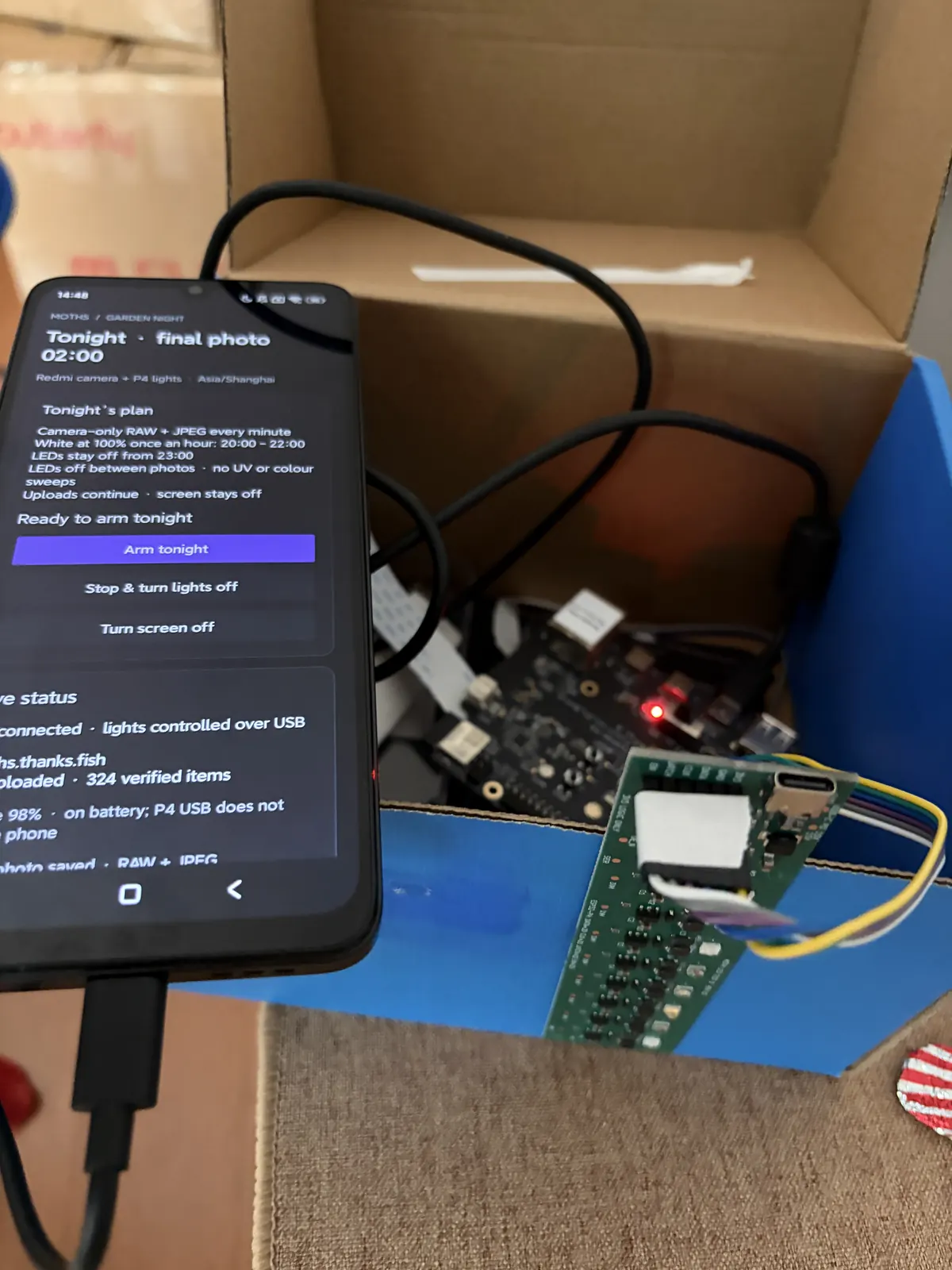
If you already have a smartphone gathering dust in a drawer, it’s tempting to think you can repurpose it as a cheap alternative to a Raspberry Pi. The hardware inside many modern phones is actually more powerful than the entry‑level Pi models—multiple cores, gigabytes of RAM, and integrated GPUs that can handle modest graphics tasks. With Android or a lightweight Linux distro, you can get a fully networked, touchscreen‑enabled platform without spending a dime on extra components.
However, the Pi’s strength lies in its openness and flexibility. Its GPIO pins give you direct access to sensors, motors, LEDs, and other peripherals that a phone’s sealed chassis simply can’t expose. When you need to prototype hardware projects—robotics, home automation, or custom wearables—the Pi’s ecosystem of HATs and community‑driven libraries makes wiring up and debugging far less painful than trying to hack a phone’s internal bus or rely on USB‑OTG tricks.
Software support is another differentiator. The Pi runs a full desktop‑class Linux distribution, letting you compile C/C++ code, run Docker containers, or host web services just as you would on a PC. While you can install Termux or a chrooted Linux on Android, you’ll run into limitations around background processes, file‑system permissions, and the lack of a stable, always‑on power source. The Pi’s design as a development board means you can attach a monitor, keyboard, and mouse and treat it like a mini‑PC for learning and experimentation.
In practice, the choice comes down to your project’s goals. If you’re looking for a low‑cost, always‑on headless server, a Pi’s power‑efficient board and robust community support are hard to beat. If you need a quick, ad‑hoc compute node for a one‑off script or a portable demo, repurposing an old phone can save money and make use of hardware that would otherwise sit idle. Weigh the trade‑offs in hardware access, software freedom, and power consumption, and pick the platform that aligns with the problem you’re trying to solve.