Why isn't the industry freaking out about DeepSeek 4.1 Flash
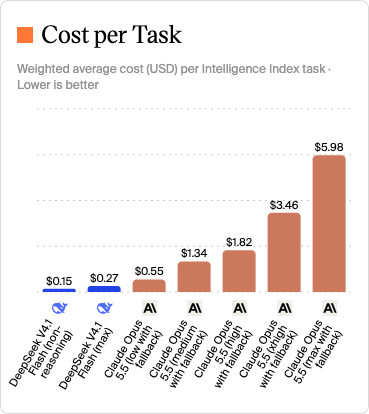
DeepSeek 4.1 Flash arrived with a lot of fanfare, promising a massive leap in LLM performance while keeping the model size modest. The reality on the ground, however, is that most production pipelines already have a well‑tuned stack of inference optimizations, caching layers, and prompt‑engineering tricks that squeeze the most out of existing models. When a new version drops, engineers first ask whether the raw metric improvements translate into measurable gains in latency, cost, or accuracy for their specific workloads. In many cases the answer is “not enough to justify a migration,” especially when the upgrade path involves retraining prompts, re‑validating outputs, and updating deployment scripts.
Another factor is the ecosystem lock‑in that surrounds large‑scale language models. Companies have built tooling around the APIs, monitoring dashboards, and compliance wrappers of their current providers. Swapping to DeepSeek 4.1 Flash would require re‑writing adapters, re‑certifying data handling, and potentially renegotiating service‑level agreements. The engineering overhead of such a switch often outweighs the incremental boost in token‑per‑second throughput that DeepSeek advertises.
From a cost perspective, the “flash” moniker suggests cheaper inference, but the pricing model still hinges on compute time and token usage. Early benchmarks show that while DeepSeek can shave a few milliseconds per request, the overall bill for high‑volume applications remains in the same ballpark as the incumbent models. For startups and enterprises alike, budget committees tend to prioritize stability and predictable expenses over marginal speed gains, so the hype doesn’t translate into urgent procurement decisions.
Finally, the community’s confidence in DeepSeek is still forming. Open‑source contributions, third‑party tooling, and long‑term support are essential for any model to become a production staple. Until a broader set of libraries integrate DeepSeek 4.1 Flash natively and the model proves its reliability across diverse domains, most engineers will adopt a “wait and see” stance rather than trigger a full‑scale panic or scramble to replace their existing stacks.
Source: Why isn't the industry freaking out about DeepSeek 4.1 Flash?